Most people wash their car either too rarely or too harshly, and almost nobody has a clear schedule. This guide lays out a simple “JWB Maintenance Cycle” so you know exactly how often to wash, decontaminate and detail your car for long-term results.
Why “whenever it looks dirty” doesn’t work
Washing your car only when it looks filthy means long periods where road salt, traffic film and fallout are sitting on the surface, quietly attacking your paint and any protection you have. Leave it too long and you need aggressive cleaning to catch up, which is exactly what causes swirls, dullness and patchy protection.
On the flip side, constantly hitting the local cheap wash just to keep it “clean” is no better, because worn mitts, one-bucket methods and harsh chemicals grind dirt into the clear coat. The JWB Maintenance Cycle sits between these two extremes: a realistic timetable that matches how the car is used, not an obsessive routine or occasional panic clean.
Step 1: Know your car and how you use it
Before deciding how often to wash or detail, you need to be honest about what kind of car you have and how it lives day to day.
- Daily driver: Used most days for commuting, school runs and errands, usually parked outside. It sees all the weather, all year round.
- Weekend / enthusiast car: Comes out mainly in good weather, often garaged and driven fewer miles, but cherished.
- Workhorse / family hauler: High mileage, kids, pets, muddy boots and food crumbs; interior takes as much abuse as the exterior.
- Company / lease car: Needs to stay smart for image and return condition, but you may not feel emotionally attached to it.
Each of these profiles has different needs. A daily driver that lives outside in Essex weather simply cannot follow the same schedule as a garaged weekend car that only comes out on sunny days.
Step 2: The core JWB wash cycle
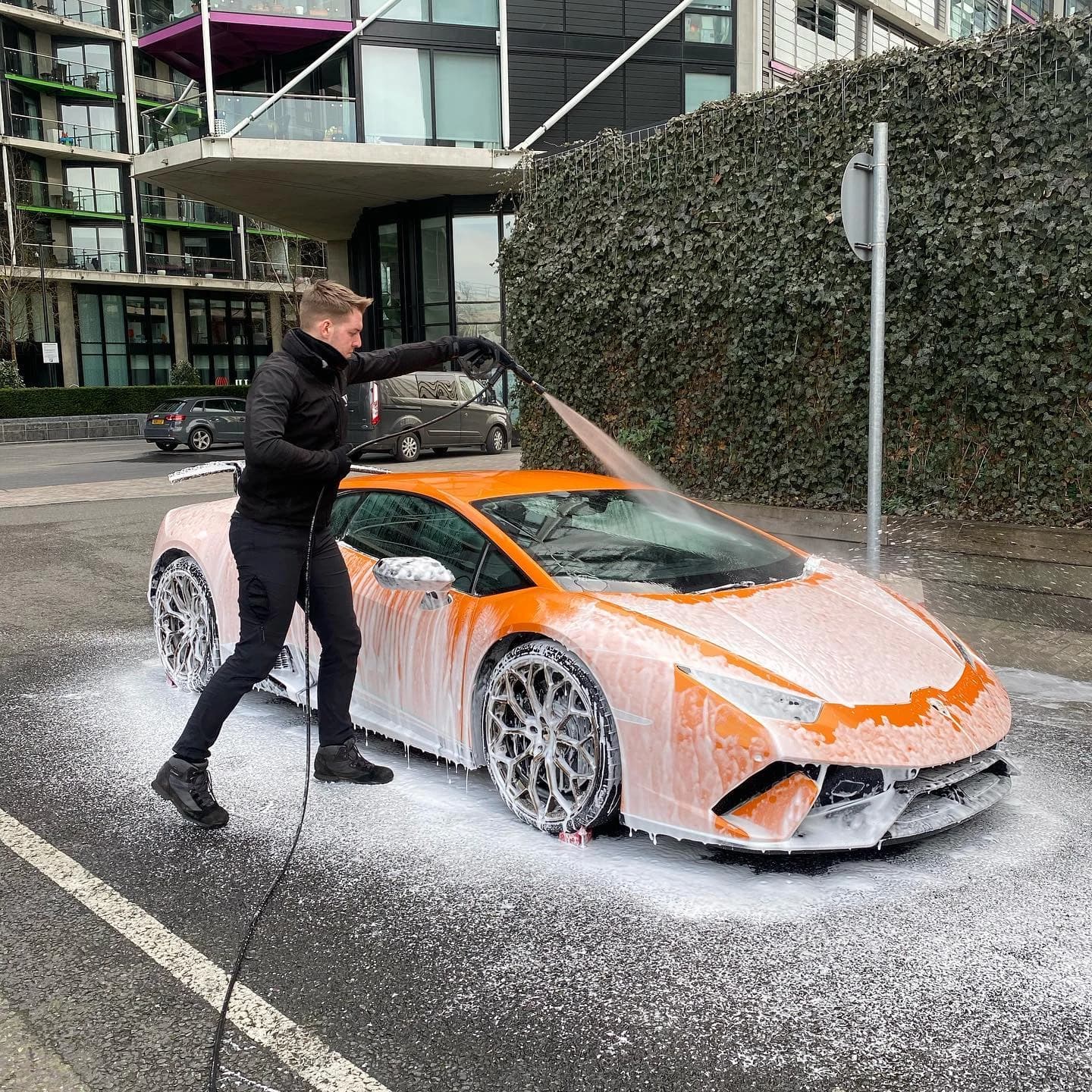
With your car type in mind, you can set a sensible wash rhythm that prevents heavy build-up without relying on harsh methods.
Daily driver (unprotected or only basic wax)
- Exterior wash: Every 1–2 weeks.
- Quick interior tidy: Every 2–4 weeks.
Regular, safe washing stops road salt and traffic film from baking on. Stretching beyond two weeks in winter or wet seasons usually means you are scrubbing rather than gently cleaning, which is when damage happens.
Daily driver (ceramic coated by a pro)
- Exterior maintenance wash: About every 2 weeks.
- Light interior tidy: Every 3–4 weeks.
- Quick topper or spray sealant: Every 3–4 months, depending on mileage and conditions.
A coating sheds dirt more easily and resists chemicals better, so you can maintain gloss with very gentle wash methods. The key is to keep the wash itself safe – good mitts, two buckets, separate wheel tools – so you do not mechanically scratch the surface.
Weekend / enthusiast car (coated)
- Exterior wash: Every 3–4 weeks, or after any decent drive.
- Interior: As needed, generally less often.
Because this car sees less mileage and often lives in a garage, contamination builds up more slowly. Here, the priority is quality over frequency: careful washes, kept away from cheap hand car washes altogether.
Workhorse / family car (unprotected)
- Exterior wash: Every 1–2 weeks.
- Interior clean: Every 2 weeks.
These cars suffer from muddy prams, dog hair, snacks and spills. Little and often is the only way to keep things under control without resorting to harsh cleaners and scrubbing.
The takeaway: consistency beats intensity. A gentle, regular wash schedule is much safer than long gaps followed by aggressive cleaning.
Step 3: The detailing and protection cycle
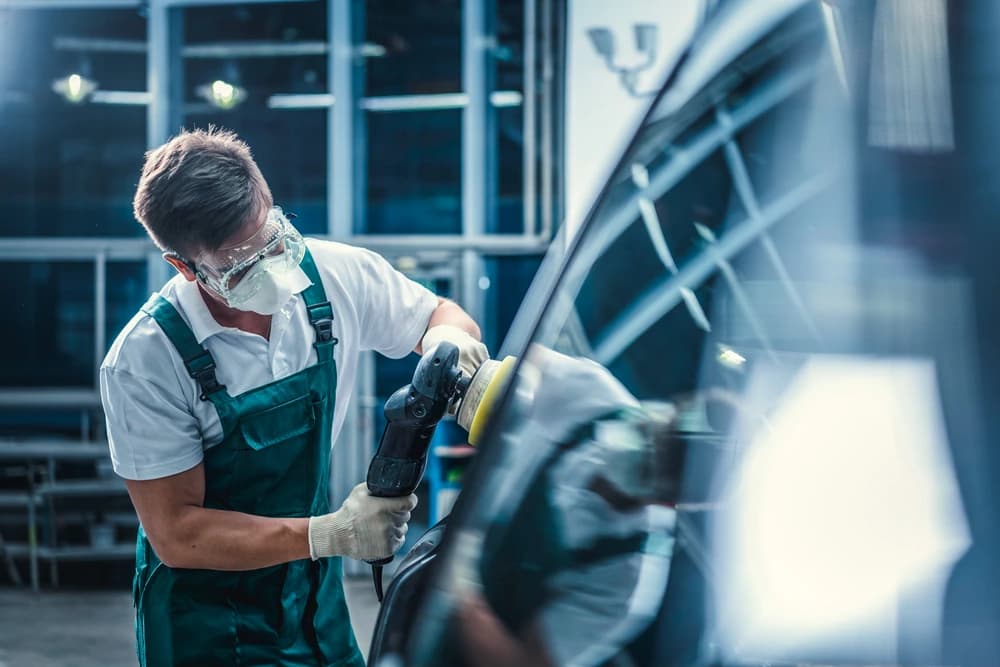
Washing is just one part of the cycle. Over months and years, you also need to think about decontamination, machine polishing and protection.
Decontamination (iron, tar, clay)
- Unprotected daily driver: Roughly every 6 months.
- Coated car: A lighter, coating-safe decontamination every 9–12 months.
Fallout, tar and bonded grime gradually cling to the surface in a way normal shampoo cannot fix. If the paint feels rough to the touch, it is time. Decontamination keeps the surface smooth, which makes washing safer and allows protection to bond properly.
Machine polishing / correction
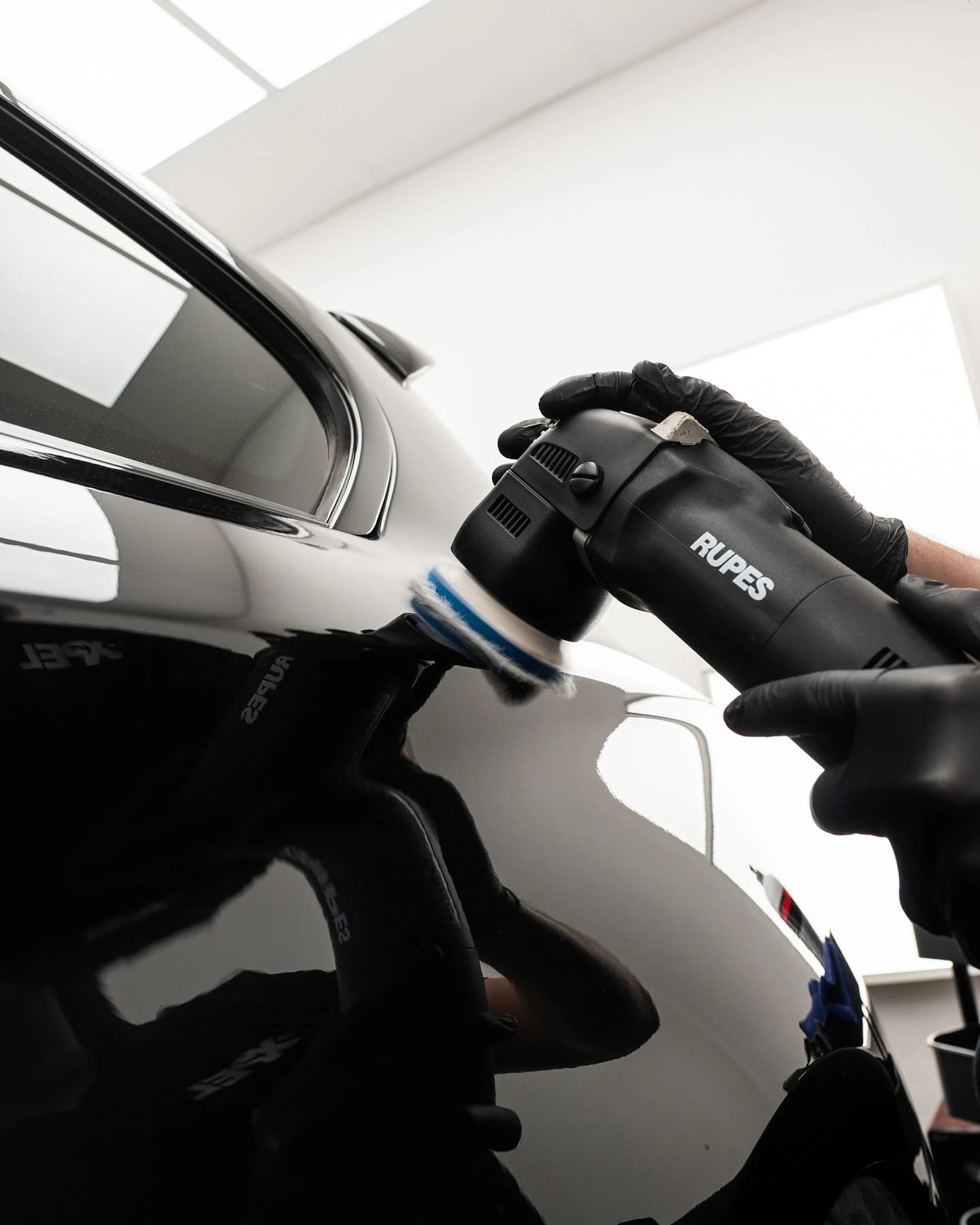
- If never done: One full correction or enhancement detail to “reset” the paint is usually enough to transform how the car looks.
- After that: Only as needed, typically every 2–4 years if the car is washed correctly and well protected.
You should not need heavy correction every year. The whole point of a well-designed maintenance cycle is to preserve clear coat so that polishing is occasional, not constant.
Protection top-ups
- Wax or sealant users: Plan to reapply every 2–3 months, especially before and after winter.
- Ceramic coatings: Have an annual inspection and, if recommended, a top-up or maintenance product applied.
Protection acts as the sacrificial layer, taking the punishment instead of your bare clear coat. Skipping this step means every bit of fallout, salt and bird mess goes straight to work on the paint itself.
Step 4: Where PPF and extra protection fit
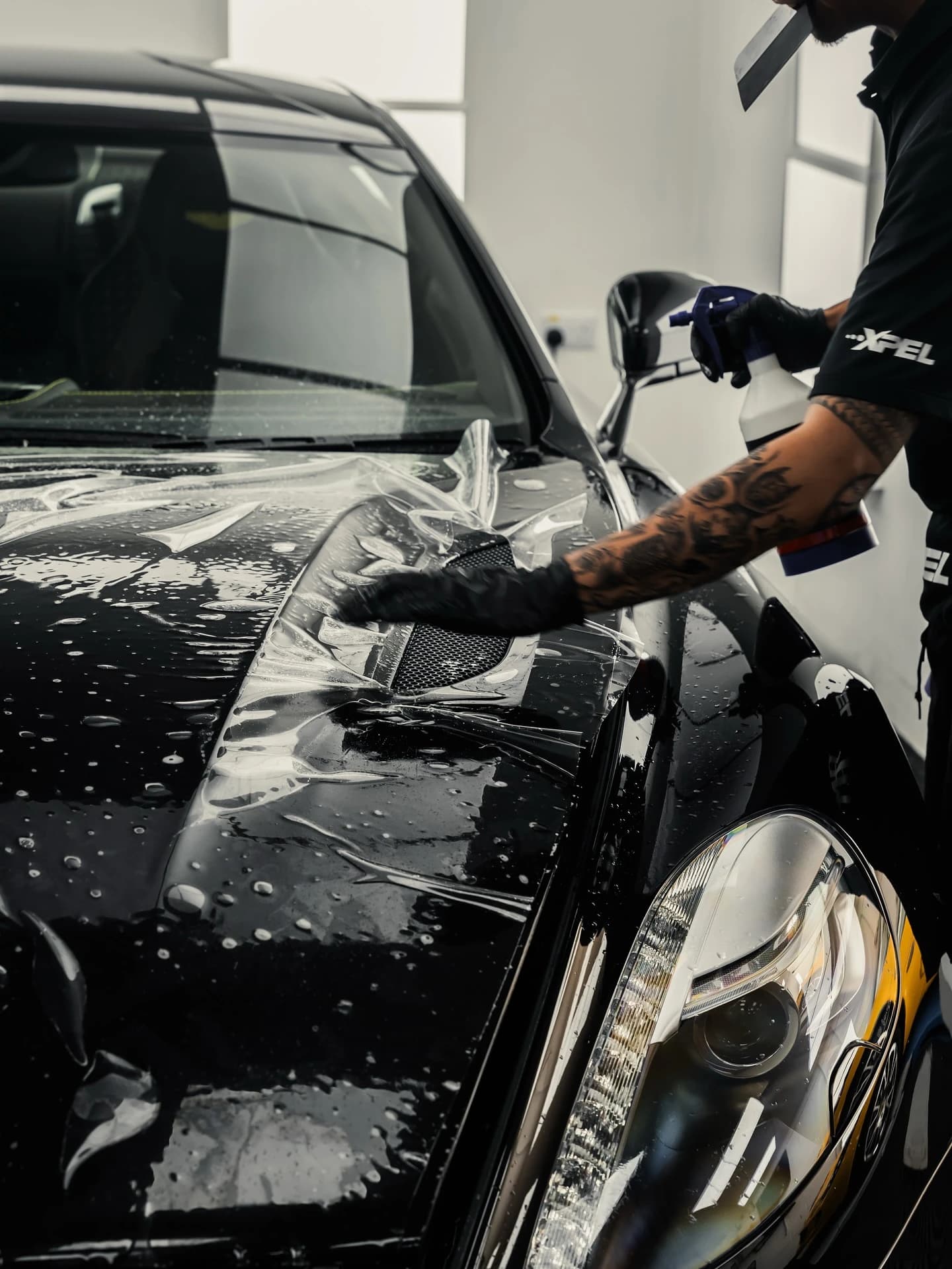
Paint protection film (PPF) changes how damage shows up, but it does not make washing or maintenance optional. Think of it as armour in high-risk areas.
- PPF-covered panels: Washed at the same frequency as the rest of the car, still benefit from gentle sealants or coatings on top to aid cleaning and add gloss, and should be checked periodically for lifting edges or chips in the film.
For drivers who do a lot of motorway miles or B-road commuting, PPF on the front bumper, bonnet leading edge and mirrors can dramatically cut down stone chips and the need for repeated front-end polishing or resprays. In a JWB-style maintenance plan, those areas will be treated and inspected slightly differently from purely coated panels.
Step 5: Turning the cycle into a JWB plan
The real power of the JWB Maintenance Cycle is when it is turned from theory into a tailored plan for each customer.
1. Initial reset at the studio
- Thorough wash and full decontamination to strip away old waxes, fillers and bonded grime.
- Inspection and selected correction detail to remove swirls, haze and defects.
- Application of ceramic coating on paint and wheels, plus PPF on chosen high-impact areas if desired.
- Interior deep clean to get everything back to a strong baseline.
2. Ongoing maintenance
From there, a schedule is agreed based on how the car is used:
- Maintenance washes: Fortnightly for daily drivers; monthly or as-needed for weekend cars.
- Periodic decon and topper sessions: Every 6 months for uncoated cars; every 9–12 months for coated cars.
- Seasonal health checks: Pre-winter protection boost and advice; post-winter deep clean and inspection.
This approach means the car never drifts into the “it’s really bad, I need a major rescue” stage; instead, small, regular interventions keep everything looking and performing at its best.
Step 6: Quick reference guide and next steps
Here is a simple summary of recommended frequencies if you want to build your own JWB-style cycle:
- Daily driver (uncoated): Wash every 1–2 weeks; decon every 6 months; detail/correction every 1–2 years as needed; protection check every 6–12 months.
- Daily driver (coated): Wash every 2 weeks; decon every 9–12 months; correction only when needed (2–4 years); protection check annually.
- Weekend / enthusiast: Wash every 3–4 weeks; decon every 12 months; correction every 2–4 years; protection check annually.
- Workhorse / family: Wash every 1–2 weeks; decon every 6 months; correction every 1–2 years as needed; protection check every 6–12 months.
To decide what is right for your own car, ask: Is it coated or bare? Is it garaged or parked outside? How many miles does it do in a typical week? When was it last properly polished and protected?
Share those details with JWB and you can have a personalised maintenance cycle mapped out for you. Start with a proper reset if your car has never had one, then stick to a realistic wash and protection rhythm. Done right, you get a car that looks consistently sharp, needs less heavy correction over its life, and feels far more satisfying to own every time you walk up to it.